Regenerative Industrial opening biomass plant in Onalaska
By The Economic Alliance of Lewis County
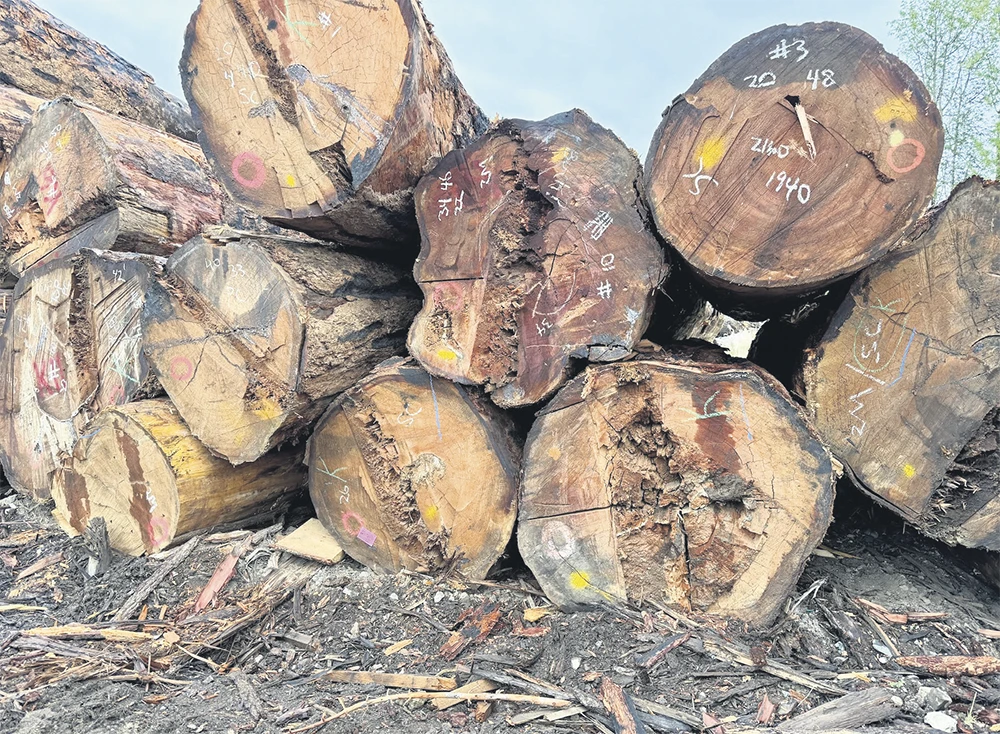
A father and son duo of entrepreneurs, with a scientist mixed in, is building a business — called Regenerative Industrial— in Lewis County to turn forest waste into sustainable and environmentally-positive construction products.
Their website states, “We believe the next generation of industry won’t be built on fossil fuels — it will be built on local biomass, modular design and commercially viable bio-based products that meet performance standards without compromising sustainability.”
Instead of developing products from fossil fuels, the company uses leftover trees.
They’ve partnered with Krume Lumber in Onalaska along state
Route 508 to use their forest waste to produce several products. Krume’s proximity to Interstate 5 and rail — 9 miles away — makes the location perfect.
They originally set up shop in 2024 at a location in the Twin Cities just off of Exit 79, where they built a pilot manufacturing program to first prove their technology. The pilot scale facility is designed to turn the thousands of pounds of forest residues produced by local lumber operations — including sawdust, chips and shavings — into biobased products for use in agriculture, construction and industrial markets.
The company transforms what was previously considered waste into revenue-generating products and creates local jobs.
The company was out pouring a new concrete pad on Friday for their new facility at Krume Lumber, with hopes to finish the facility in late August and start production at the end of October.
At the start they plan to create nine high quality jobs with an annual payroll impact of $598,828, with plans to add another 37 jobs in 2026-27 with an estimated payroll of $3.5 million.
Their original pilot manufacturing site in the Twin Cities just happened to be located next to the former headquarters of the Economic Alliance of Lewis County.
The founders of Regenerative Industrial walked next door and gave the Alliance a visit. The staff at the Economic Alliance soon came to their pilot site for a return visit.
“They were welcoming and said, ‘How can we help?’” said co-founder Kevin Hoffberg, the “dad” in the operations. “It’s hard to overstate how important the Alliance has been for us.”
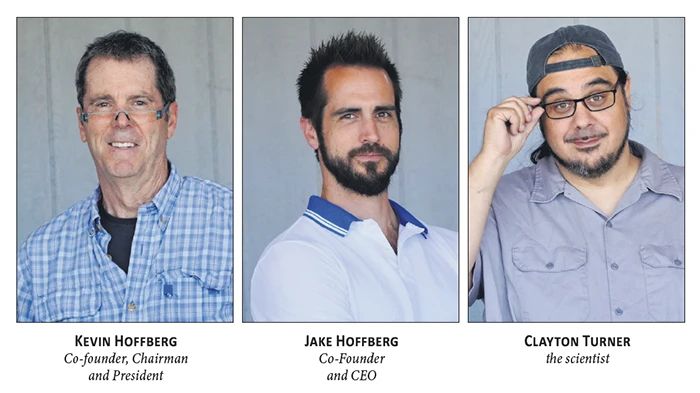
The co-founders
The father/son team added a thoughtful, brilliant scientist with a can-do attitude to create Regenerative Industrial.
Co-Founder and CEO
Jake leads Regenerative Industrial’s go-to-market strategy, capital formation, and external partnerships. His ability to align business model design with investor psychology and policy tailwinds gives the company an edge in capital-efficient growth and market execution.
Prior to co-founding the company, Jake helped raise over $100 million across 25-plus early-stage ventures through regulation crowdfunding and direct-to-investor platforms. He previously served as publisher at Equifund and copy chief at Agora Financial, where he specialized in retail capital markets and narrative-driven fundraising.
Kevin Hoffberg, the dad Co-founder, Chairman and President
Kevin leads corporate strategy, financial systems and stakeholder engagement across Regenerative Industrial. He provides the decision frameworks and operating discipline that guide the company’s planning, governance and business development activities.
A serial entrepreneur with over 40 years of experience, Kevin has co-founded nine companies and held executive roles at Russell Investments, Onyx Software and Ulu Ventures. He has advised dozens of Fortune 500 firms and authored widely on decision-making, sales strategy and innovation.
Clayton Turner, the scientist Co-founder and Chief Science Officer
Clayton drives product development, systems engineering and technology innovation for Regenerative Industrial. He is the lead architect of the company’s Small Modular Biorefinery platform, AI-enabled carbon tracking systems and virtual training environments. His ingenuity powers the company’s core “cyber-physical” capabilities.
Clayton has led the design and deployment of over 20 biomass processing facilities. His cross-disciplinary expertise spans pyrolysis, distillation, molecular separation and automation. He previously served as Chief Visionary Officer of Santa Fe Farms and co-founded The Hemp Blockchain and The Carbon Protocol.
A smarter model for bioindustrial growth
Their pyrolysis technology transforms Pacific Northwest biomass into reliable, high-quality additives — carefully engineered to exceed standards for concrete, wood and steel applications.
Strategically located in Lewis County’s Bioeconomy Development Opportunit Zone, they source directly from abundant regional forests, ensuring stable, predictable material supplies with minimal logistics risk or delays.
Their bio-based products easily integrate across an entire project workflow — from pouring concrete slabs and sealing timber structures, to cleaning and mold prevention.
Material standards keep getting stricter — yet the supply chain hasn’t caught up. At Regenerative Industrial, they fill the compliance gap with cost-effective, biogenic alternatives that perform as well, or better, than the fossil-based products they replace.
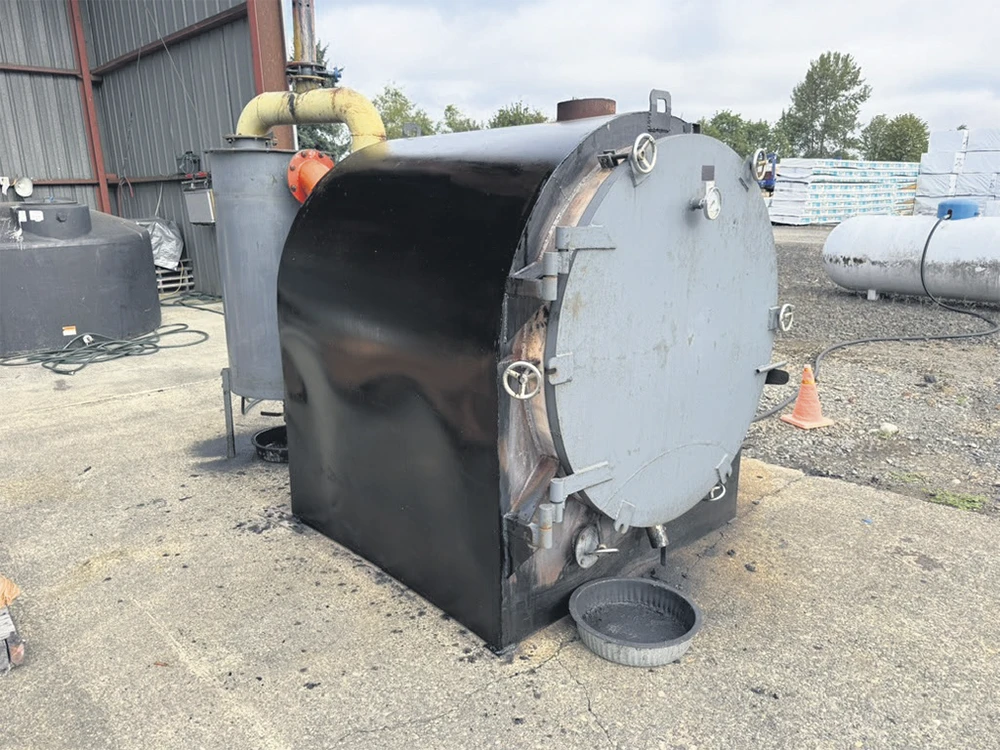
They use controlled pyrolysis to thermochemically convert forestry waste into high-value, carbon-rich materials.
In the absence of oxygen, organic biomass breaks down into:
- Wood tar — a dense, resin-rich preservative
- Wood vinegar — a bioactive liquid condensate
- Biochar and biocarbons — high-carbon solids milled to specification
Unlike combustion or gasification, their process preserves molecular value in every output — maximizing recovery of usable compounds while minimizing emissions and waste.
At capacity, their Onalaska facility is designed to produce:
- 617,000-plus pounds of carbon-based solids
- 41,000-plus gallons of wood vinegar
- 10,000-plus gallons of wood tar annually
Modular design philosophy
Regenerative Industrial doesn’t believe the future of manufacturing is massive or centralized. Their model is modular, local and rapidly deployable — enabling them to build where the biomass is, not where the subsidies are, reducing shipping expenses.
Their pilot facility, demonstrates their small-footprint approach:
- Faster permitting
- Lower startup costs
- Local job creation
- Supply chain stability
This flexibility allows them to expand into other feedstock-rich Opportunity Zones including sawmills across Lewis County and nationwide.
Their products
Their slogan is, “Built for the real world. Designed for what’s next.”
Their products are grounded in proven science, engineered for commercial readiness, and aligned with a changing regulatory landscape. Whether you’re building ships, roads, food systems, or carbon-smart plastics — their materials move you forward.
Vessels and coastal infrastructure
Their LunaChar Wood Tar delivers an effective, low-toxicity alternative to conventional marine coatings — helping fleets meet new environmental mandates while improving durability and performance.
Advanced additives for asphalt, concrete and building materials
Derived from clean biomass, their carbon-rich materials enhance the structural and environmental performance of traditional building systems.
Their concrete, for example, with their additives, extends pavement life, boosts durability and reduces cracking.
Sustainable carbon black
Micronized BioCarbon is milled to spec and engineered to compete with fossil-based carbon black — offering high purity, ultra-low ash, and consistent performance.
Applications include plastics for electronics, automotive parts and sensors and food-safe packaging.
The U.S. is highly import-dependent on specialty carbon black from Asia — posing a growing supply chain risk. Their domestic, clean-source BioCarbon offers a safer, scalable alternative.
Organic inputs for soil health and plant protection
Their LunaChar Wood Vinegar and Biochar products support regenerative agriculture, helping farmers reduce chemical use while boosting crop health and soil vitality.
Applications include adding water retention, and suppressing plant pathogens in high-value crops.
With organic production rising and conventional pesticides facing regulatory scrutiny, farmers are actively seeking biobased, effective alternatives. Their wood vinegar and biochar meet this demand — especially in high-value fruit and specialty crop markets.
It all adds up to Regenerative Industrial coming to Lewis County.
Kevin Hoffman said, “Lewis County is perfect for this.”
Commerce launches statewide Washington State Zoning Atlas
First-of-its-kind tool translates local zoning into standardized categories for easy comparison
By By The Economic Alliance of Lewis County
Department of Commerce
Understanding how zoning shapes communities across Washington is now a little easier thanks to a joint effort from the Washington State Department of Commerce’s Growth Management Services unit, MAKERS architecture and urban design, BHC Consultants, and students from all four of the state’s accredited planning programs.
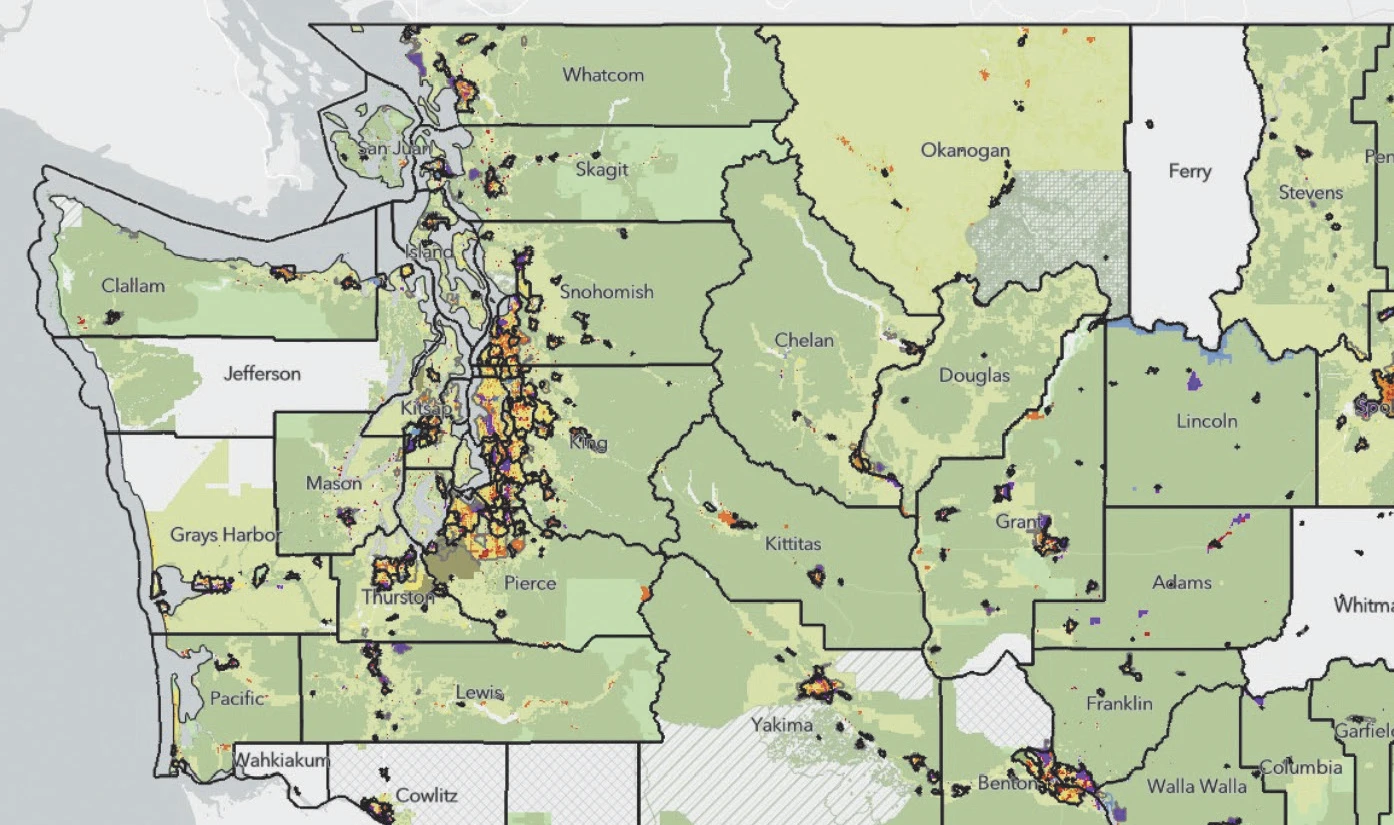
Commerce launched the Washington State Zoning Atlas (WAZA) this past week, a first-of-its-kind tool to compare zoning data from across the state in one standardized, interactive platform. The Washington State Zoning Atlas is available as an interactive web-based map and downloadable database.
In Washington, cities and counties have the power to write and manage their own zoning rules within the framework of the state’s Growth Management Act. While this local control gives communities flexibility, it also means there is no standard way to publish or organize zoning codes. This makes it difficult to compare zoning information across the state.
The WAZA changes that. It’s the first statewide tool to translate local zoning codes into consistent categories, which means more consistent zoning will be possible for housing, businesses and other development types.
“The Washington State Zoning Atlas is a powerful resource to answer big questions and help bring more housing online,” said Commerce Director Joe Nguyễn. “Zoning decisions shape what kinds of homes get built, where they’re built, and who can afford to live there. Local governments make the rules that decide what gets built where, but until now we didn’t have a clear picture of how those rules add up statewide.”
The WAZA is especially valuable for examining where barriers to housing may exist and how new housing laws, such as middle housing or minimum parking requirements, apply and are being implemented across the state.
It also supports environmental, ecological and economic research by clarifying where development is likely to happen and how intensive it may be. A WAZA user guide and examples of how WAZA can support research and policy analysis across different land use scenarios are also available.
Combining diverse perspectives
“What the Zoning Atlas does and what it’s really beneficial for is showing trends and showing relationships between jurisdictions,” said Justin Patterson, a Pierce County planner and Master of Urban Planning and Design student at the University of Washington Tacoma. “The use case of having that visually in one place where you can see how your jurisdiction is kind of lining up on a regional scale and how things are changing across jurisdictions. There’s a lot of value in that to local jurisdictions.”
UW Seattle, Western Washington University and Eastern Washington University have accredited planning programs. Students from those three universities and students from UW Tacoma worked together in a first-ever joint course to learn about zoning in Washington and test methods of collecting data to build the WAZA.
“The Zoning Atlas fills a significant information gap that has limited our ability to see how policies are implemented on large scales,” said Dave Andersen, managing director of Growth Management Services. “Now we have a foundation to see the big picture that will allow us to make better informed decisions.”
Tammy Laninga, associate professor at WWU’s College of the Environment, led the cross-university course and said students got hands-on experience working on the kinds of planning problems they will face in their careers.
“What was so interesting was how every community’s code had something kind of unique about it. The students learned very quickly that zoning gets really complicated,” Laninga said. “Like, how do you go from hundreds of unique zoning codes to something that is semi-standardized? That was the challenge and that was what the class helped with. By the time the class was over, we had a really solid protocol and a solid way forward.”
Despite the benefits WAZA provides, zoning remains local as cities and counties continue to update their zoning codes and maps regularly. The WAZA reflects data collected and standardized by Commerce and our partners from April 2024 to June 2025.
Some local zoning codes have already changed since this data was gathered. Commerce plans to update the WAZA periodically pending the availability of funding to continue this work.
•••
To access the map, go to www.commerce.wa.gov/growth-management/data-research/waza/
To access a user guide, go tohttps://deptofcommerce.app.box.com/s/2zaq36scagtbubrxbx0yzb7s9ip2himm
Centralia Outlets offers a one-of-a-kind shopping experience
By The Economic Alliance of Lewis County
Centralia Outlets is the Northwest’s original outlet shopping center.
The Outlets are celebrating 37 years of bringing quality brand names at a discount directly to the public.
Centralia Outlets began a retail trend across the Pacific Northwest, spurring the creation of several outlets after its official opening in November 1988.
Today, Centralia Outlets, a member of the Economic Alliance of Lewis County, boasts a diverse range of unique store models not found at other outlet shopping centers.
Shelleen Lundeen, mall and marketing manager said the Outlets are “doing really well.”
The Outlets joined the Alliance just this past month.
“I thought it was a good partnership,” she said. “The Economic Alliance has always been forthcoming with information for our operations. I just think it’s a good fit.”
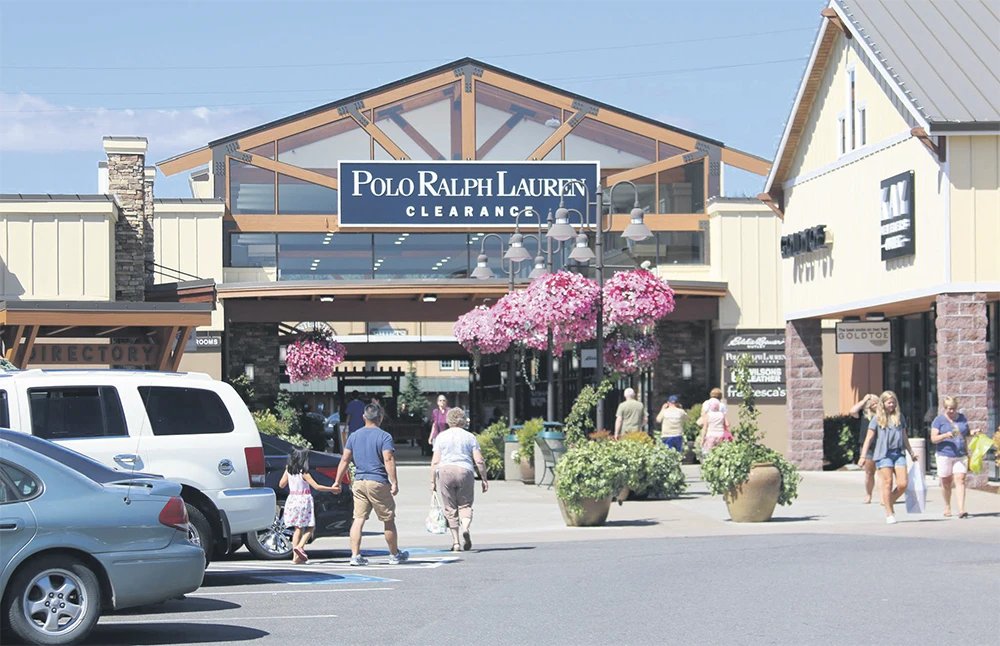
The only Polo Ralph Lauren Clearance store in the U.S. is located here at the Centralia Outlets, offering consumers 40% off the entire store on closeout and previous seasons’ home decor, family apparel, footwear, accessories, and more.
Another unique find, the Bath & Body Works Outlet, is the only one in the Northwest region of Washington, Oregon and Idaho. This brand is a great go-to for gifts and goodies at a discount, from fresh fragrances to soothing skin care, candles, and more.
The Centralia Nike Clearance Store is the largest and one of two in Washington state. You can find Nike footwear, apparel, and accessories from this and previous seasons at the best prices for men, women, and children.
The Centralia Outlets now boasts the only permanent and largest Columbia Sportswear Clearance Store. Columbia is a global leader and innovator in outdoor apparel, footwear, and end equipment and has been doing so since 1938.
Straddling both sides of Interstate 5, making it an impossible-to-miss attraction from the freeway, the Centralia Outlets is a must-stop for bargain shoppers looking for brand-name clothing, shoes, and other great merchandise at outlet prices.
Centralia Outlets comprises more than 30 stores and is uniquely positioned along the I-5 corridor — halfway between Portland and Seattle, off Exit 82.
Local tourism
Centralia Outlets is located at the midpoint between Seattle and Portland, in Lewis County, the “Gateway” to two of the state’s major attractions, Mount Rainier and Mount St. Helen’s. Mount Rainier, the second highest peak in the lower 48 states, and Mount St. Helen’s National Volcanic Monument are easily accessed from Highway 12 in the east end of Lewis County.
Within five miles of the center are the Twin Cities of Centralia and Chehalis. These charming cities have historic downtown areas, museums, vintage homes, steam train rides, camping and RV parks. Centralia and Chehalis are home to more than 350 antique dealers in the three antique malls and nearly 20 shops.
Summer deals at the Centralia Outlets
Summer is here, which means the start of school is not too far off. Avoid the rush of back-to-school shopping and score discounts directly from name brands right now. Shopping at the outlets means getting your name-brand merchandise for less every day of the week.
Shop for outdoor apparel and gear at Eddie Bauer Outlet and the Columbia Clearance Store. Explore deep discounts at Polo Ralph Lauren Clearance, where already discounted items in-store are an additional 40% off. Don’t forget the significant savings you can also score on athletic gear and more at Nike Clearance Store, New Balance Factory Store, Skechers, Famous Footwear Outlet and Hanes Brands Outlet.
If you’re looking for summer swimwear, consider The Children’s Place before the season ends.
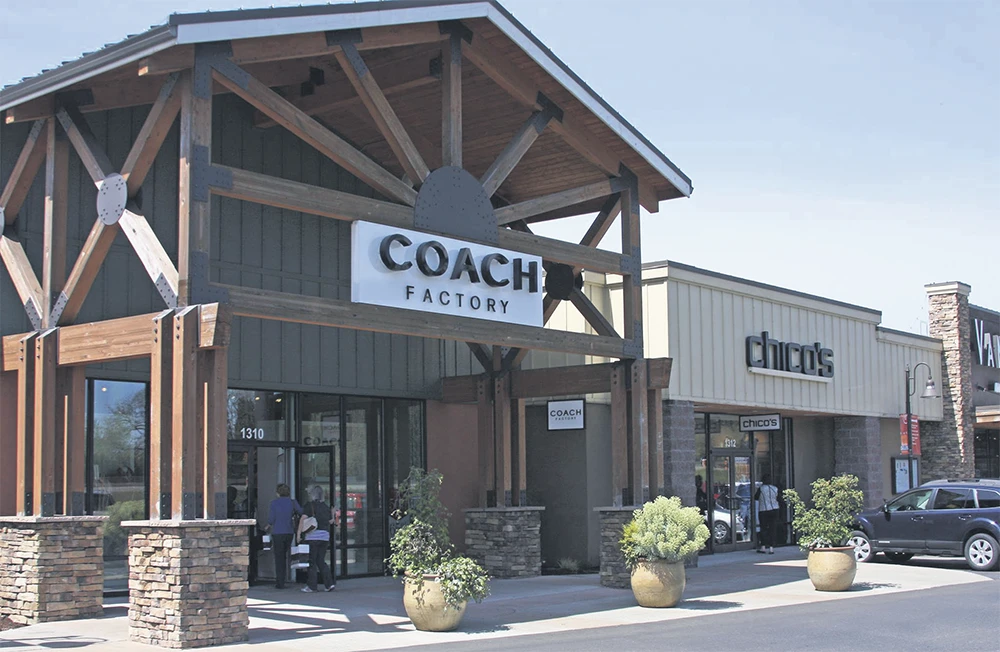
Visit Chico’s and Lane Bryant Outlet to find the wardrobe staples you need and the seasonal trends you want. Accessorize those new outfits with items from Kay Jewelers Outlet and Coach Outlet.
Back-to-school shopping and fall style finds
Whether you’re looking for new school clothes or fresh fall fashion, Centralia Outlets is your one-stop destination for big savings on the brands you love.
Start the school year off right with essentials from The Children’s Place. From backpacks and shoes to school uniforms and casual everyday wear, they’ve got everything your little ones need to feel confident and comfortable in the classroom.
Claire’s is your go-to for fun accessories — think playful hair clips, trendy jewelry, and even kid-friendly makeup to let your child’s personality shine.
The fall season is the perfect excuse to update your wardrobe, too. Discover classic layering staples, such as polos, button-ups, cardigans, and sweaters, at Polo Ralph Lauren, Gap Factory and Aéropostale.
When fall hits, so do cooler temps, which mean it’s time to stock up on flannels, denim and durable jackets. Check out rugged fall favorites at Pendleton, Columbia, and Eddie Bauer.
For active days (or just lounging in comfort), athletic-inspired gear like leggings, hoodies, tees and sneakers from top brands like Nike, Skechers, New Balance, and Just Cozy.
Discover deals that’ll make you look twice at Centralia Outlets.
Serendipitous location marries up the Alliance with Regenerative Industrial
Business will take tree waste from sawmills and turn it into environmentally-friendly products while building a local workforce
By Richard DeBolt
Executive Director, Economic Alliance of Lewis County
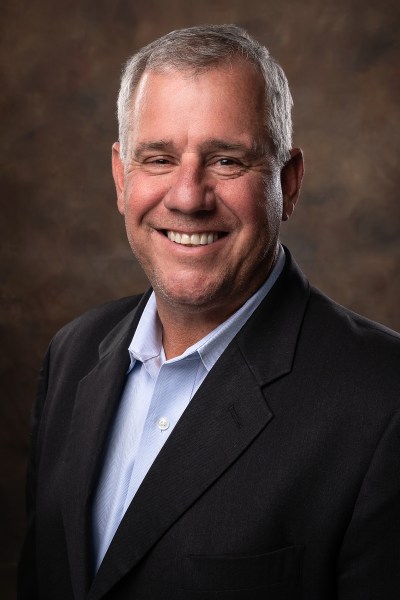
Richard DeBolt
Executive Director
We run a big story, in length and importance, on the front page of the Economic Report in this issue, about the new business Regenerative Industrial, a forward thinking effort that takes sawmill scraps and turns it into valuable products.
They’ve set up in Onalaska, but they started out in a facility that sits behind our former Economic Alliance headquarters in the Twin Cities.
The founders heard they were located next to the Alliance, and gave us a quick visit, with an invitation to tour their pilot test plant.
On a wet and cold winter day, I took my staff over to the site — Todd Chaput, Dolly Tardiff and Eric Sonnenberg.
As today’s story states, co-founder and father/son duo Kevin and Jake Hoffberg found our visit most helpful, calling us welcoming, knowledgeable about Lewis County and its economics, and also leading them to several key industry leaders.
This was truly a serendipitous pairing of the Alliance and the business.
We weren’t doing anything special, it is our mandate to help businesses, both already existing or those locating into Lewis County.
We found the Hoffbergs intelligent, experienced in all facets of business and frankly, humble yet highly capable winners about to embark on a journey of excellence.
We wish them the best as they ramp up into full production that turns tree waste, something abundant in Lewis County, into environmentally-friendly and profitable products.
Expect family-wage jobs being created in East Lewis County, with expected expansions in the coming years.
The Centralia Outlets
On page two, we profile the Centralia Outlets, a jewel in the center of the Twin Cities.
They just recently became members of the Alliance, something I am thankful for as our agency continues to build in strength with quality members such as the Centralia Outlets.
The 30-plus brands at the Outlets sell everything from shoes to purses, is a draw for tourists from out of the area and a key place to purchase quality items at extremely affordable prices for locals as well.
As we get closer to back-to-school preparations (can you believe it’s almost August?!) the Outlets are the perfect place to stock up on everything from clothes for the fall, backpacks for students and even a bit of bling.
The Alliance welcomes the Outlets as our newest member.
Destination Lewis County
If you don’t check regularly into the website Destination Lewis County, you’re missing out.
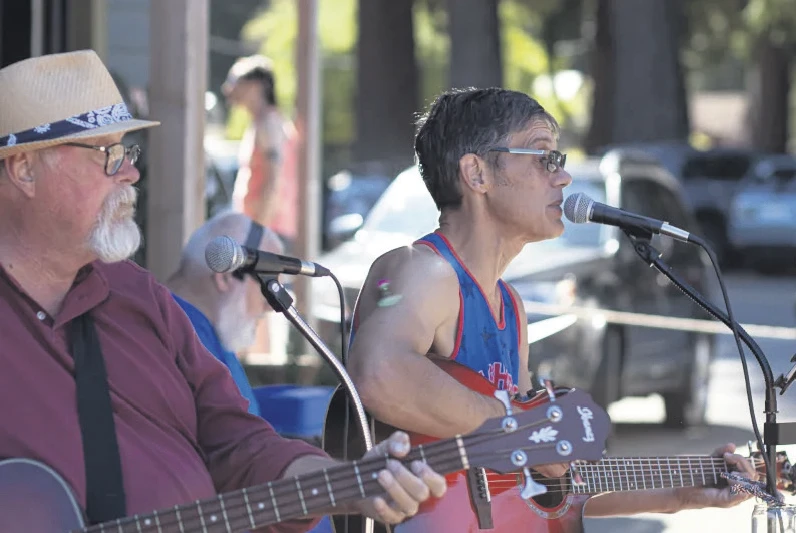
For example, we share a story from Destination Lewis County for the Blueberry Festival coming up next weekend in Mossyrock. If you did check the website out, you would be reminded of the parade and the blueberry pie eating contest, and also a couple of free concerts on Friday and Saturday nights.
The website has so much to offer, from highlighting area festivals, places to go — to hike, camp, AirBnB, eat out and more.
We’re proud of our management of the website and its highlighting of the best Lewis County has to offer.
The Alliance Open
Finally, on page three of this Economic Report, we run an ad for the Alliance Open Golf Tournament, one of our most enjoyable events of the year, with profits being funnelled into supporting area businesses.
The Open is Friday, Sept. 12, at Riverside Golf Course. It promises to be another fun-filled day on the green with raffles, tasty food, camaraderie and treats for the winners. You can register now by calling 360-748-0114.
PROPERTY SPOTLIGHT
151-153 Sturdevant Road, Chehalis
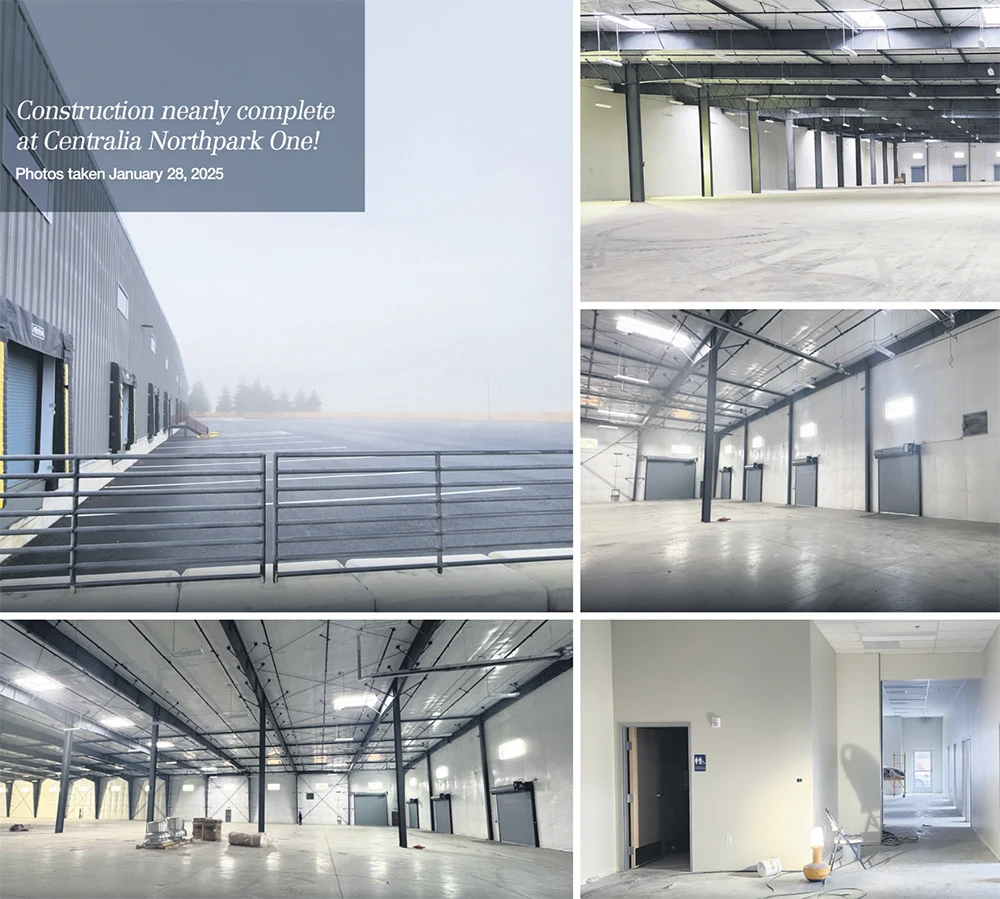
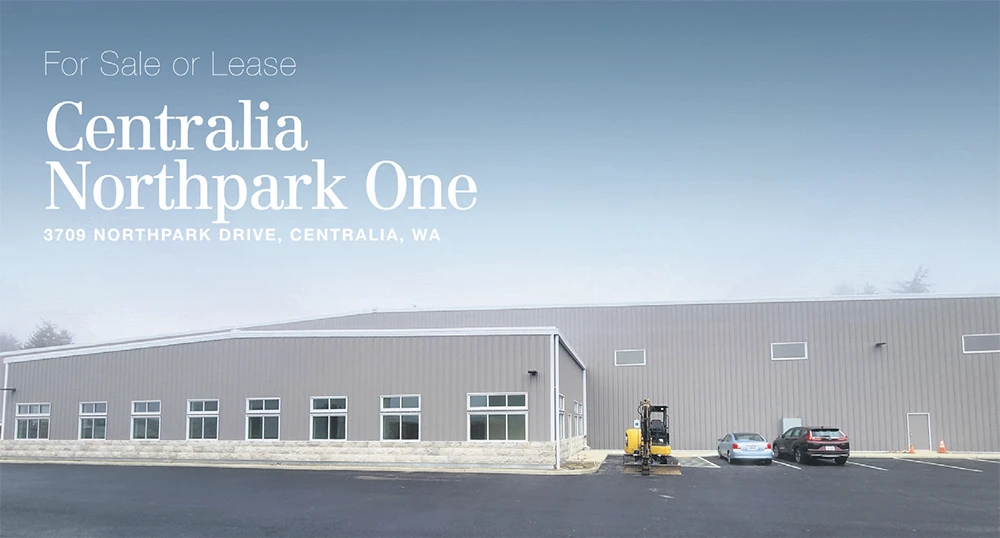
NAI Puget Sound Properties is offering the opportunity to lease or buy Centralia Northpark One. Located just off of I-5, it’s the perfect midpoint for your industrial warehouse needs.
- Rental area: 52,000 to 107,125 square feet
- 4,000 square feet of office space
- 9 dock doors
- 2 grade level doors (14’ by 14’)
- 3 phase power 400 amps at 280v
- Ability to add up to 2,000 amps
- Heavy industrial allowing for a wide range of uses
Call broker for rates:
Will Schmidt 206-794-0421 [email protected] and Kyle Schipper, SIOR 253-203-1320 [email protected]
For information on this property and others available throughout Lewis County (or to list your industrial/commercial property for sale or lease), contact Economic Alliance of Lewis County External Relations Manager Eric Sonnenberg at 208.206.5407 or [email protected], or go to lewisedc.com.
Eric Sonnenberg
Economic Alliance of Lewis County External Relations Manager
A sweet summer tradition:
Mossyrock Blueberry Festival Returns August 1–2
By Discover Lewis County
The beloved Mossyrock Blueberry Festival returns Friday and Saturday, Aug. 1–2, bringing a weekend full of small-town charm and blueberry-filled fun to Klickitat Prairie Park and several other locations in Mossyrock.
Now in its 19th year, the festival draws thousands of visitors with live music, delicious food, vibrant community spirit and activities for all ages.
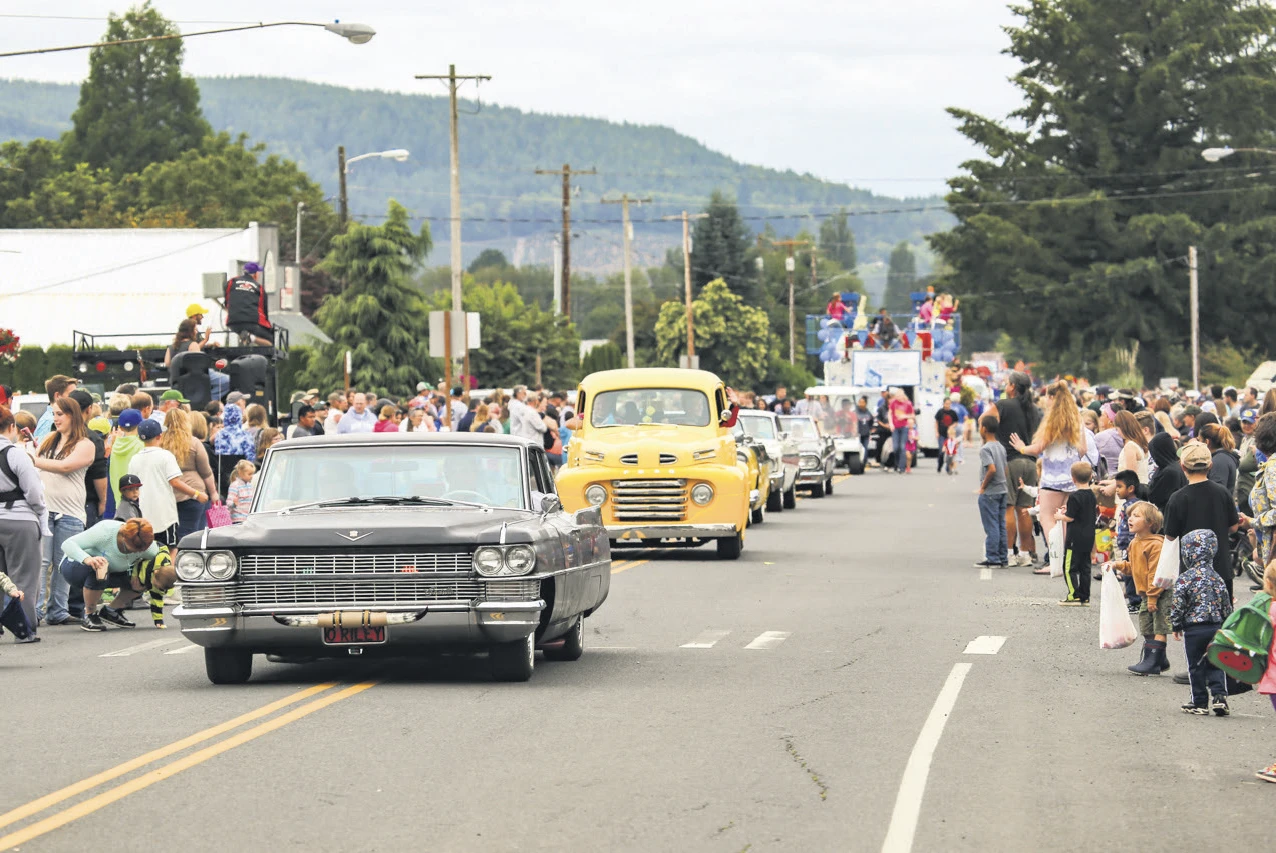
This year’s event features performances by local favorites, a blueberry pancake breakfast, a competitive blueberry pie-eating contest, and a popular bake-off celebrating the star ingredient of the weekend. Guests can also enjoy a classic car show, parade, kids’ obstacle course, dog show, wiener dog races and even a skydiving demo.
In addition to entertainment, the festival hosts dozens of vendor booths offering crafts, local goods and plenty of blueberry treats.
It’s a great opportunity to support local farms and small businesses while soaking in the community vibe that makes Mossyrock such a special destination.
The Mossyrock Blueberry Festival is free to attend and takes place the first weekend in August. Whether you’re there for the live music, the food, or just a taste of small-town celebration, it’s a summer tradition you won’t want to miss.
•••
Discover Lewis County is proudly managed by the Economic Alliance of Lewis County.